How Many Sessions Are Needed for Complete Tattoo Removal? A Complete Guide
The constantly advancing technology and shift in personal preferences have resulted in a growing demand for tattoo removal. Although modern lasers might notably lighten or entirely remove existing tattoos. One of the first concerns individuals have is the number of sessions involved with tattoo removal.
To answer this, one has to understand that the timeline varies and it is not the same for all. Tattoo removal in Burlington follows a procedure that is impacted by several factors. This comprises the type of skin you have, the colors that are applied to your skin, and the tattoo age. In some cases, it concerns your immune system too. So, today we are going to explain everything that you must know to understand the frequency of the sessions to get your tattoo removed entirely.
An Overview of the Tattoo Removal Process
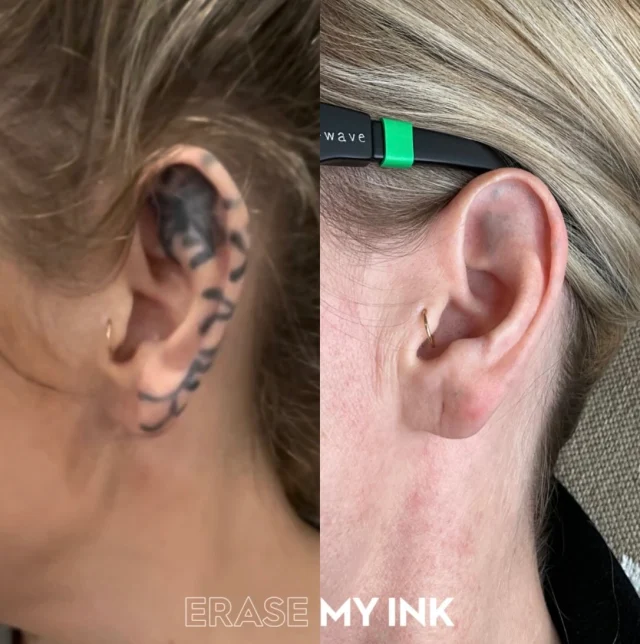
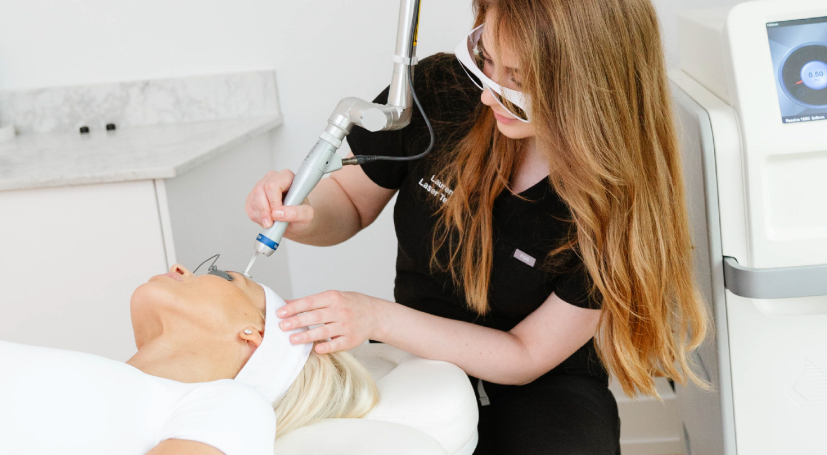
The subject concerning tattoo removal emphasizes the use of advanced laser technology. This breaks up the ink particles that get embedded into your skin. Your body then starts to remove those particles in a natural way through the lymphatic system.
The primary aspects included in this process to know about are:
- Tattoo removal is never an instant process; it happens gradually
- It necessitates multiple sessions to break down the ink safely
- Every session targets more ink removal that helps the tattoo fade over time
- Healing time between every session is a must
Modern lasers—especially technologies like Q-switched lasers and Picosecond lasers—are faster and more effective than traditional systems, reducing the number of sessions required for many clients.
Q-switched lasers and Picosecond lasers are the modern lasers used inlaser tattoo removal in Burlington. This technology acts on the target area to remove tattoos rapidly and effectively. This reduces the number of sessions required for clients.
Number of Sessions Needed for Complete Tattoo Removal?
For most individuals, around 6 to 12 sessions are required for a complete tattoo removal; however, the exact number varies. In a few instances, some amount of tattoos might fade in 3 to 5 sessions. But for multicolored, larger ones, around 10 to 20 sessions are required.
Professional clinics generally analyze your tattoo using ink density, the Fitzpatrick scale, and other aspects of the tattoo to estimate the number of sessions required for removal.
Factors That Affect the Number of Sessions Needed
The rate at which a tattoo fades when removing a tattoo depends on several variables. All these factors are involved and determine how easily the ink dissolves and how efficiently your body clears it. These should be understood in order to set realistic expectations.
Tattoo Age
Tattoos made in the past tend to fade more easily because the ink degrades over time. More recent tattoos may require more sessions because they retain pigment more deeply and brightly.
Typically, they are caused by:
- Fading that happens gradually
- The rate at which ink breaks down
- Loss of natural pigments
- Application method followed
Older tattoos are also usually more susceptible to laser therapy, which often leads to fewer sessions overall.
Tattoo Size
The density of the tattoo affects the quantity of ink in the tattoo and the duration of laser dissection. Bigger tattoos have to spend more time, and have more total passes.
The primary considerations included here are:
- Total ink volume
- Time required for treatment
- Laser coverage area
- Breakdown complexity
Tattoos of smaller size are easier to clear, whereas larger designs require more sessions since the pigment density and the exposures are higher.
Ink Colors Used
The various ink pigments react uniquely to the laser wavelengths, and this causes differences in the number of sessions needed. The dark colors can be removed easily, and the lighter ones require more specific energy.
The color aspects are important as follows:
- Responsiveness of pigment
- Matching laser wavelength
- Rate of ink absorption
- Difficulty with color complexity
The rate of color loss is critically dependent on laser compatibility and pigment depth, which has an effect on the overall treatment duration.
Skin Type & Tone
The skin tone also determines the laser settings, as melanin absorbs light energy. Darker tones need softer environments, and often they extend the number of sessions to make it safer.
The elements impacting the process are:
- Melanin sensitivity
- Laser energy limits
- Skin recovery time
- Pigment interaction levels
The skin tone correlation with laser energy is one of the major factors in the overall effectiveness with which ink may be weakly eliminated.
Immune System Response
The accuracy of your immune system depends on its ability to move broken particles of ink after every session. Increased immune response enhances the clearance of tattoos, making them fade faster.
The primary immune factors comprise:
- Efficiency of the lymphatic system
- Levels of hydration
- Lifestyle habits
- Responsive healing
A healthier body can rid itself of pigment, eliminating the need for multiple sessions to remove the tattoo completely.
What You Can Do to Reduce the Number of Sessions
Clients’ habits will accelerate or slow progress. To get the best results:
- Stay hydrated
Being adequately hydrated enables your lymphatic system to perform its function effectively by sweeping away particles of ink after each laser therapy. Hydration increases healing speed, improving results and perhaps reducing the total number of treatments.
- Avoid sun exposure
Minimal sun exposure will stop tanning and irritation, thereby enabling higher laser settings to be safely used. The untanned and safe skin is more responsive to treatment, evidenced by fewer sessions of removal required.
- Follow aftercare instructions
Regular post-care will help prevent complications, reduce redness or blistering, and keep the skin healthy between treatment sessions. Better healing helps the overall acupuncture sessions to be less.
- Support your immune system
A strong immune system promotes rapid pigment differentiation following laser treatment. Genetic exercises, sleep, and eating are healthy practices that assist your body to remove ink faster, so as to lower the total number of sessions.
Final Thoughts
Removal of tattoos is not a one-day process. Although the average number of sessions is 6 to 12, the specific number will depend on your unique tattoo and how your body will react to it.
To estimate it correctly, it is always better to consult a professional and have a specialist analyze your tattoo and suggest a personalized treatment plan.
Most Read