The Benefits of Renting a Mobile Crane for Construction Projects
Heavy lifting is a common need across every construction project. Beams, trusses, panels, and plant equipment must be placed safely and delivered on time. A poor match can cause delays. Purchasing a crane is one option, but construction project needs change across job types. So a crane that’s too small will delay the job, while one that’s too large is a complete waste of money. Delays in lifting materials can hold up every trade involved in the project.
The best way to avoid these issues is to rent a crane that matches your construction needs and keeps work on schedule. Most rental providers also assign a trained operator so the site team can focus on the build. Understanding how professionals offering crane rental in Hamilton can help plan every lift makes it easy to choose the right option.
Lifting Challenges That Slow Down Construction Sites
Heavier lifting on busier construction sites involves more than using a machine. Weather, space availability, ground conditions and timing influence how soon and how quickly a load can move. Small delays can spread across your entire construction schedule.
Contractors who run their own cranes often encounter these challenges:
- Higher purchases and finance costs
- Routine servicing and inspections
- Hiring and training certified operators
- Equipment that sits idle between projects
- Cranes that don’t fit the changing needs of the site
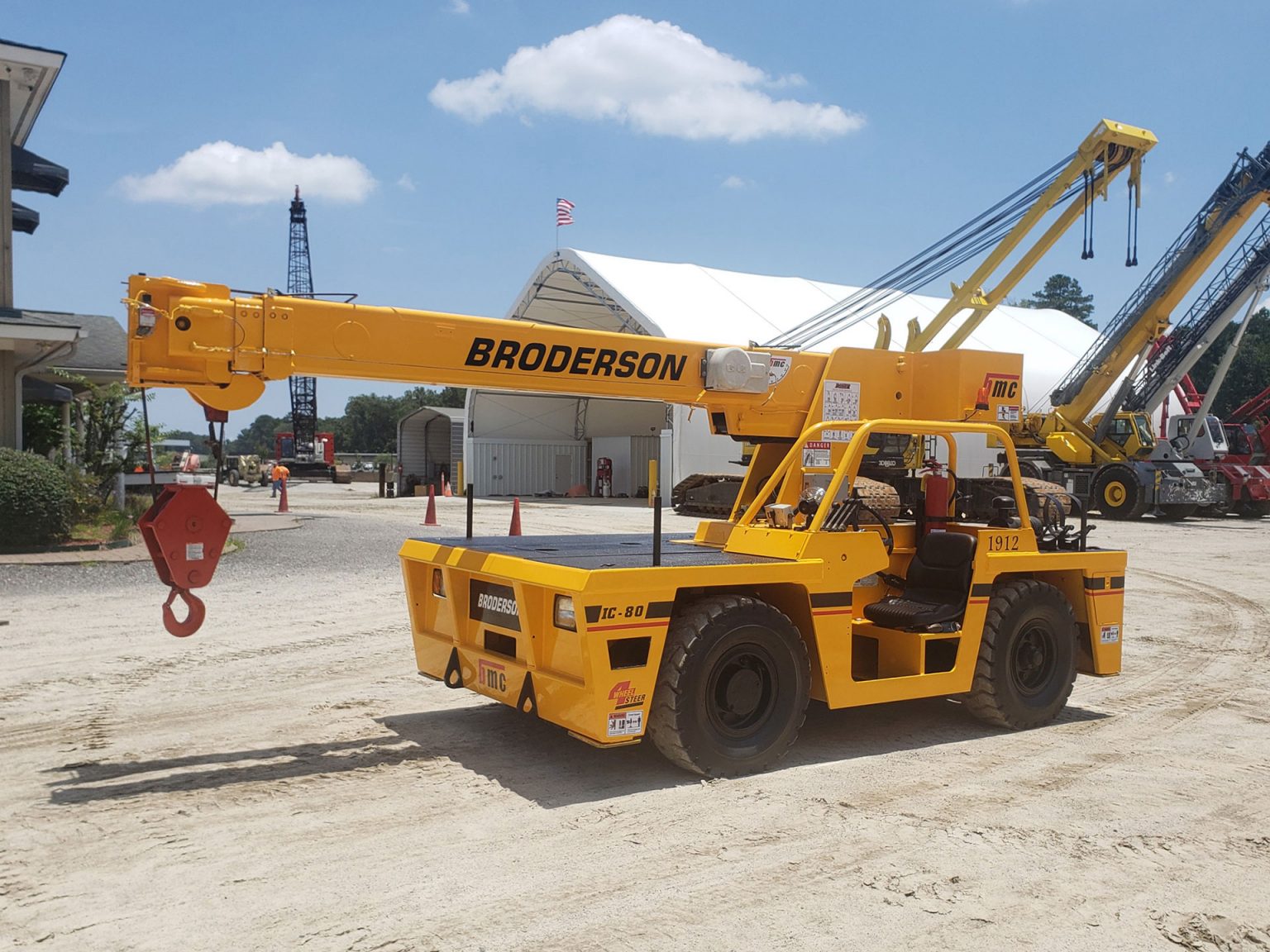
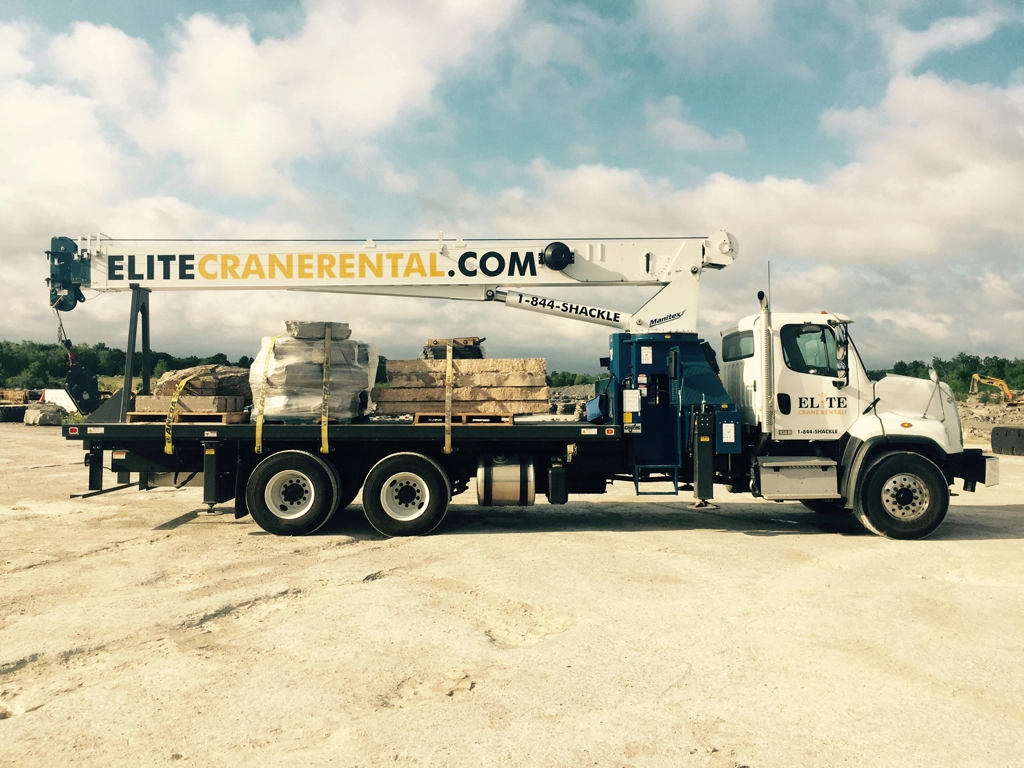
Working with providers offering mobile crane rental in Hamilton can remove most of these loads, as the equipment, maintenance, and lifting experience all come from a single source.
Why Renting a Mobile Crane Pays Off on Site
Renting turns heavy lifting from a single fixed cost into a flexible one. The sections below show where contractors benefit most in cost, time, and safety.
Lower Upfront and Ongoing Costs
Buying a crane ties up a lot of money before construction even starts. Renting spreads that cost evenly across lifting jobs. So a company will pay only for the time the crane is used.
Costs Avoided with Rental
- Purchase costs and loan interest
- Storage and transport between sites
- Insurance for owned equipment
- Bills related to parts and repairs
Professionals quote a clear hourly or daily rate. This helps project managers add lifting costs to the budget and avoid surprises later.
Access to the Right Crane for Each Job
Different jobs require different lifting capacity and reach, even within the same project. Renting lets a contractor choose a crane that matches the load and site needs, rather than working around the limitations of one owned machine.
Points That Decide Crane Choice
- Consideration of the size and weight of the load
- Distance the load should cover
- Space available for the entire setup
- Ground conditions on site
Crane rental providers will analyse these points during a site visit and recommend the right size. This reduces the risk of hiring a machine that’s either too small or too large.
Less Maintenance and Compliance Work
To ensure cranes don’t exceed legal and safety limits, they need detailed, regular inspections, servicing and documentation. You don’t have to hire your own specialist team to handle all your maintenance needs, as a storage company can manage it.
Maintenance Routines Handled by the Provider
- Routine repair or servicing of equipment
- Safety inspections and detailed records
- Repair or replacement of damaged parts
- Successful delivery of a fully operational machine
Professionals will also keep you updated on service records and provide a crane in good working order, helping the site team avoid unexpected repairs.
Faster Setup and Better Scheduling
One of the main benefits of renting a crane is that you get the machine only when you need it, and it leaves your site soon after the work is done. This helps maintain consistent schedules and prevents major budget overruns from buying a machine that sits idle between construction tasks.
Scheduling Benefits
- Delivery is well-planned around the lift date
- Shorter hiring periods for one-off lifts
- Additional days added whenever plan changes
- Immediate start even on tight timelines
The professionals will coordinate every delivery, setup and removal with the on-site team. This ensures the lift happens on the scheduled day, and other trades never face delays.
Safer Lifting on Site
Issues with heavy lifting on construction projects often come from the lack of planning, damaged equipment or untrained crews. A well-maintained crane on rent is operated by a certified operator, reducing risks that are inevitable in heavy lifting.
Safety Steps in a Planned Lift
- A written plan for lifting is involved with each job
- Review of the ground and clear exclusion areas
- Certified operators and a trained signal person
- Confirmed load-bearing capacity before the lift
Professionals prepare every lift plan, check site conditions and recommend a safer setup. This helps construction teams to work with clear instructions and fewer surprises later.
Choosing the Right Rental Provider
The U.S. Census Bureau put construction spending at an annual rate of $2,203.1 billion in August 2026. With that much work underway, contractors should compare providers on safety, equipment quality and support before they book.
Questions to Ask a Provider
- Are the operators certified and experienced?
- How recent are the crane inspection records?
- Is insurance coverage included?
- What happens if plans or weather change?
Professionals answer these questions openly and put the terms in writing, which helps contractors compare providers fairly and avoid hidden extras.
Assess Your Lifting Needs Before You Hire
Every project has its own lifting needs, so the first step is to list the loads, heights and timelines involved. Construction companies that assess these needs early can compare rental options with clear facts.
Choosing a reliable provider with certified operators, well-kept equipment and straightforward pricing gives project teams a safer, steadier path from the first lift to the last. A call with a local provider is a good place to start, and a written quote helps.
Most Read