Is Redness After Laser Tattoo Removal Normal?
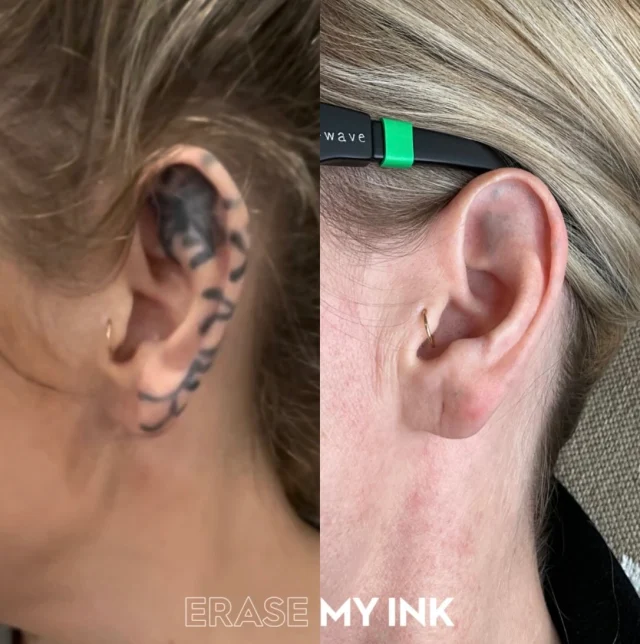
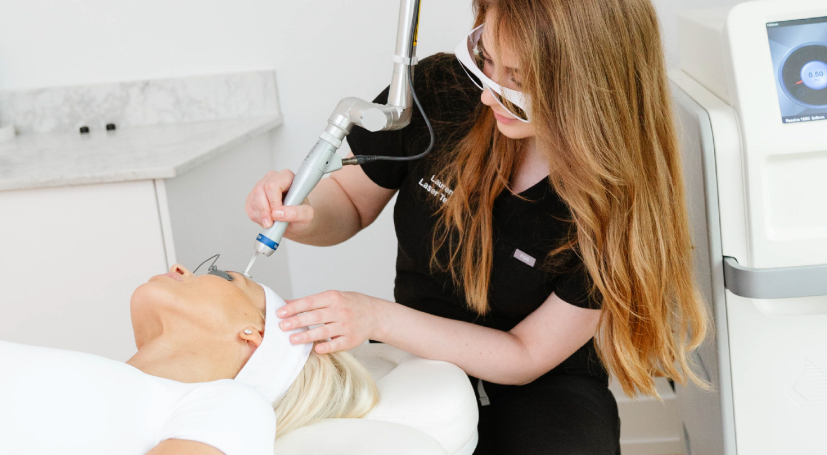
After laser tattoo removal, if you notice redness, it is most likely a normal response from the skin. The laser energy targets tattoo ink within the skin, and there may be a slight redness, warmth, swelling, or tenderness in the surrounding area. These reactions tend to do so as the skin starts to heal.
But understanding what to anticipate and what might need a professional’s attention can assist you to treat the area correctly.
Why Does Redness Occur After Laser Tattoo Removal?
Laser tattoo removal is a technique that works by breaking down the tattoo ink with laser light. The energy is applied to the ink particles under the skin, as well as creating a controlled skin reaction in the treated area.
So, you may find you get redness after a session. The skin may appear like mild sunburn, especially in the first few hours.
The redness of the tattoo will depend on the size and placement of the tattoo, the colour and density of the tattoo ink, the type of laser used, and an individual’s skin reaction after tattoo removal in Burlington.
How Long Does Redness Usually Last?
Many people experience that the redness clears after a few hours or a few days. This may vary from individual to individual.
If you are tattooed with smaller energy, the reaction will be a little less severe, and if you have a bigger tattoo or a denser tattoo, then the reaction may be more noticeable for longer.
Your practitioner should inform you what you can anticipate for your specific treatment. If it gets worse instead of slowly getting better, it makes sense to call in to the clinic for guidance.
What are Other Reactions that can Occur?
Redness is not the only possible side effect that occurs after laser tattoo removal. You may also have symptoms such as
- Mild swelling
- Warmth around treated area
- Tenderness or sensitivity
- Small blisters
- Temporary crusting
- Changes in skin colour
After treatment, some patients may have a whitening effect and/or pinpoint bleeding. These responses can depend on the laser settings and the characteristics of the tattoo.
Is Swelling Along With Redness Normal?
With laser tattoo removal, there may be some mild swelling with redness. It may be slightly raised or tender, especially on the first day.
Maintaining a clean environment and following the aftercare instructions given by your practitioner can help keep the skin clean during the recovery process.
Do not rub, scratch, or touch the area to be treated unnecessarily. Seek medical attention if the swelling worsens, gets larger, or starts to cause other concerning symptoms.
How Should You Care for Red Skin?
Your practitioner will typically give you special aftercare guidelines after treatment. Use the recommendations, not products not recommended for use on your skin.
Generally, refrain from pricking or peeling blisters and avoid unnecessary rubbing or irritation of the area. Refrain from any activity or product that your practitioner recommends during the first stage of recovery.
Sun protection is also important because skin may be more sensitive to the effects of UV rays after treatments. Your provider can tell you what type of sun protection is suitable for the treated area.
Can You Use Ice on the Area?
A cool compress may be recommended by some clinics to relieve the temporary warmth or discomfort. If you are given an ice pack, do not put it directly on the skin.
Rather, follow the directions given by your practitioner for cooling the treated area. Sensitive skin may be irritated or damaged by excessive cold or direct ice contact.
When Should You Contact Your Practitioner?
Although mild redness is normal, some changes shouldn’t be overlooked. If you see redness that worsens, large swelling, pain, excessive discharge, or any other symptom that you are concerned with, please talk to your practitioner.
If a person has signs of infection or an unusual reaction to the skin, it is better treated by a health care provider than by self-treatment without expert advice.
If you don’t know if your skin looks normal, you can send a picture to your provider or make an appointment to check back to see if more work is needed.
What Affects the Skin’s Recovery?
The rate of settling of redness and other transient reactions can vary for several reasons. These include the size and location of the tattoo, the colour and density of the ink, the type of laser, the laser settings, skin tone and skin reaction, etc.
It is also crucial to take the recommended time between injections. Reapplication prior to full recovery can lead to further irritations.
Final thoughts
It is common for the skin to become red after laser tattoo removal in Burlington. It may be accompanied by either warmth or mild swelling, tenderness, or other short-term changes and typically fades as the skin heals.
The most essential hint is to adhere to the aftercare advice of your practitioner and keep an eye on the treated area. Contact the treatment provider if the redness is getting worse, is becoming painful, or if there are symptoms that are unusual.
With proper laser tattoo removal treatment and realistic expectations, you can allow the treated skin the time it requires to “rest” between laser tattoo removal treatments.
Most Read