How Do Residential Plumbers Diagnose Hidden Plumbing Issues?
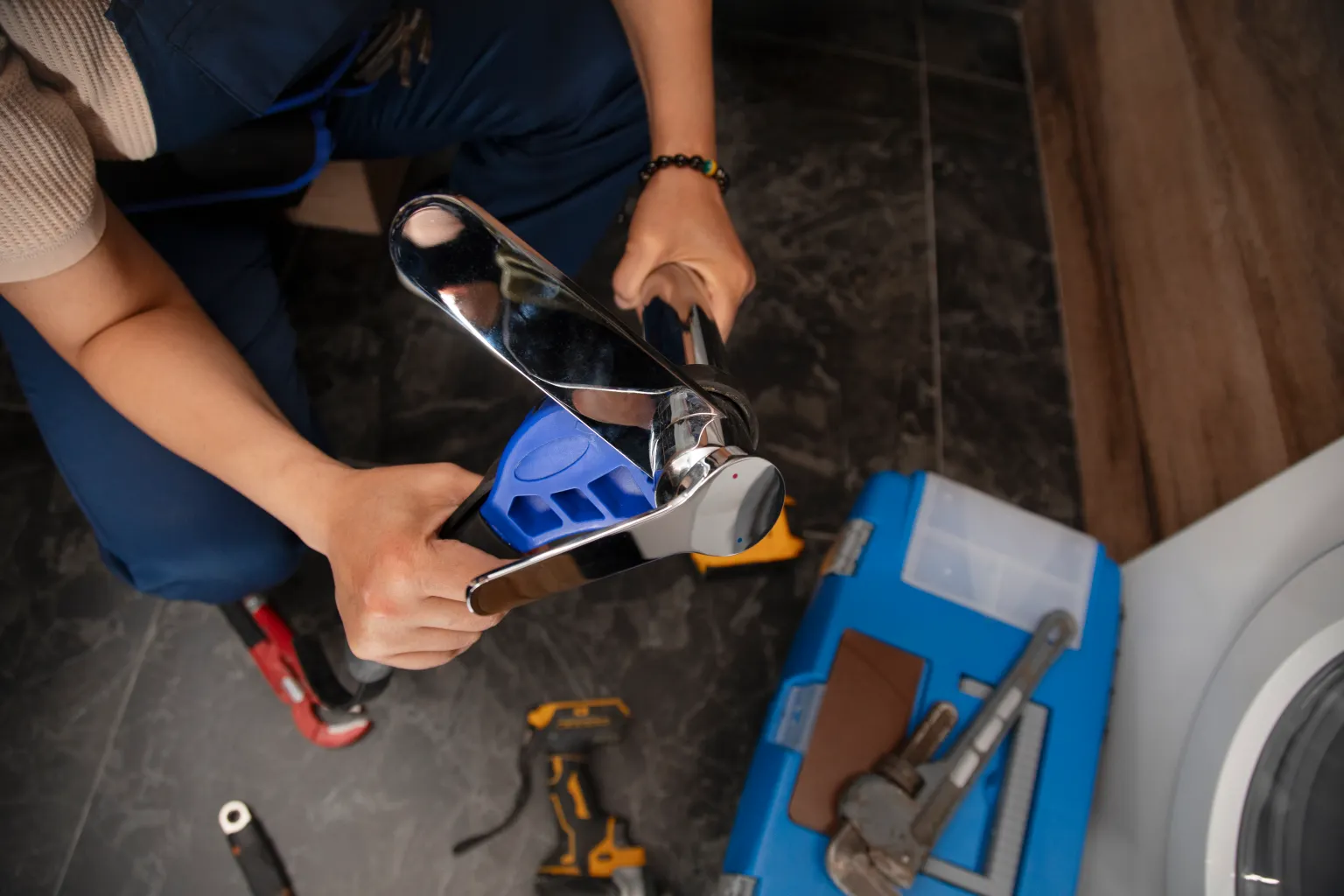
Plumbing systems are supposed to work well, mostly out of the way. Pipes are located behind walls, under floors, through ceilings, and under the ground which makes it hard for homeowners to notice there is a problem until there is a visible problem. Some plumbing problems are evident: a leaking faucet, an overflowing sink, etc., but many issues will develop over a period of months before they are found.
Fortunately, a residential plumber can detect plumbing problems before they become big fixes with the knowledge, experience, and tools. The early detection of water damage can minimize repair expenses, avoid further water damage, and help you keep your plumbing system running smoothly.
Here is how plumbers detect hidden plumbing problems and why professional inspections are often essential.
Identifying Early Warning Signs
Plumbers will first look for symptoms that could point to a particular plumbing problem before moving to specialized equipment.
Signs of trouble include:
- Unusual rises in water bills that cannot be explained.
- Low water pressure
- Wet walls or ceilings
- Water stains
- Musty odors
- Slow-draining fixtures
- Frequent drain clogs
- Unusual pipe noises
Often these symptoms can offer clues to the potential diagnosis of what may be occurring behind walls or underground.
These are all clues that an experienced residential plumber can use to identify the possible causes.
Conducting a Visual Inspection
Visual inspection is one of the initial steps in diagnosing the plumbing problems.
It is not easy to see the pipes, but there are a number of ways that you may be able to tell there’s a problem in the house.
A plumber can check:
- Faucets and fixtures
- Water heaters
- Exposed pipework
- Basements and crawl spaces
- Cabinets beneath sinks
- Utility rooms
- Exterior plumbing connections
In the process, they search for indicators like corrosion, leaks, accumulation of moisture, or damaged fittings.
The smallest of clues can be a warning sign of bigger problems in the plumbing system.
Checking Water Pressure
High water pressure can provide clues to the health of a plumbing system.
When the pressure is considerably less than normal, it can mean:
- Hidden leaks
- Pipe blockages
- Mineral buildup
- Damaged water lines
Plumbers check the system to ensure that the water is moving through the system correctly by using pressure testing equipment.
Unusual readings can be an indicator of hidden plumbing issues, which may need additional investigation.
Leak Detection Techniques
One of the most common plumbing problems in homes is hidden leaks.
Walls, floors, and underground leaks can waste water and cause serious damage before they are noticed.
A residential plumber has a number of techniques for detecting leaks, such as
Acoustic Leak Detection
Specific equipment can listen for water escaping pipes.
With sensitive instruments, trained plumbers can hear vibrations from even the smallest of leaks.
Pressure Testing
Water pressure tests can be taken across the system to see if water is leaking from somewhere else in the system.
Moisture Detection
Moisture meters can detect any water trapped behind the walls or under the flooring.
These are tools that can be used to identify leaks without the need for unnecessary destruction.
Using Drain Cameras
Plumbing technology has grown to make diagnosis of a hidden issue much easier.
The drain inspection camera is one of the most useful tools that is available today.
A camera is installed in pipes and drains and shows the interior of the plumbing system.
With this technology, plumbers can locate the following:
- Blockages
- Cracked pipes
- Tree root intrusion
- Pipe corrosion
- Grease buildup
- Misaligned pipe sections
The plumber can tell by looking at what is wrong with it and won’t need to guess.
This results in more precise diagnosis and repairs.
Identifying Drainage Problems
Drain problems do not always start when a full blockage has taken place.
If your drains are slow, clogs keep occurring, or there is a gurgling noise, there may be issues developing in your drainage system.
A residential plumber can, by inspection and testing, find out if the problem is due to the following:
- Accumulated debris
- Grease buildup
- Pipe damage
- Sewer line problems
- Ventilation issues
Taking care of these issues early will help you avoid more serious plumbing problems.
Thermal Imaging Technology
Many plumbers have come to use thermal imaging cameras to see water issues that are not visible to the naked eye.
Thermal cameras detect temperature variations behind walls, ceiling, and floors.
Thermal images may show cooler or warmer areas due to water leaks.
This technology enables the identification of:
- Hidden leaks
- Moisture intrusion
- Insulation damage
- Frequent drain backups
- Sewage odors
- Multiple clogged fixtures
- Home has slow drainage throughout the house.
- Root intrusion
- Pipe collapse
- Cracks
- Blockages
- Corrosion
With the use of a thermal imaging camera, a plumber can take a look at issues without the need to breach walls just for no reason.
Sewer Line Inspections
Issues with the sewer may not be obvious without the use of special equipment.
Symptoms might be:
By using camera technology, plumbers can assess your sewer lines and determine if there are any problems, including:
This is the only way to prevent unnecessary water damage and sewer leaks from occurring, as well as expensive repairs.
Monitoring Water Usage
Sudden spikes in water usage can be signs of problems with your plumbing.
The home plumber can go to the houses and examine water meters and water usage to discover potential leaks.
Also, if the meter is moving when no fixtures are using water, it could be a sign of water loss in the system.
This is a simple but effective way to often discover hidden leaks before damage is done.
When Hidden Problems Become Emergencies
There are some hidden plumbing problems that can turn into emergencies in no time.
Often the attention of the pipes, major leaks, sewer backups, and water damage are required immediately.
In such cases, it is imperative to call an emergency plumber.
The emergency plumber can quickly isolate the problem, prevent further damage and conduct urgent repairs to fix the plumbing system.
Many small issues can be avoided becoming a big restoration job if prompt action is taken.
Final thoughts
Hidden plumbing issues can develop silently behind walls, under floors, and underground, making them difficult for homeowners to detect on their own. Through visual inspections, leak detection technology, drain cameras, thermal imaging, and pressure testing, a skilled residential plumber can identify problems before they cause significant damage.
Whether you are dealing with recurring drainage issues, unexplained water bills, or signs of moisture within your home, professional diagnosis is often the most effective way to protect your property. And when urgent situations arise, an experienced emergency plumber in Lower Hutt can provide fast action to minimize damage and restore your plumbing system as quickly as possible.
Most Read