How to Support Your Horse’s Comfort and Mobility with Navicular Changes
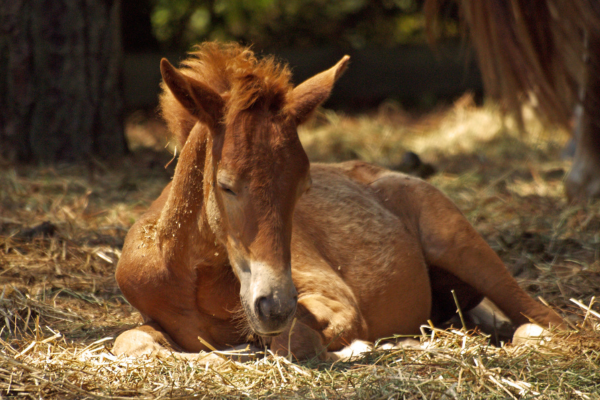
Horses rely heavily on their hooves and lower limbs for every stride, turn, and jump. When there are problems with these, it can greatly impact their ability to move along with feeling comfortable. Horse navicular syndrome is one of the more challenging conditions of the front hooves, or a name that describes changes of the navicular bone and surrounding structures. While typically dealing with performance horses, it could be an issue in any horse based on conformation, workload, or other considerations. Keeping your horse with the application of navicular transitions requires gentle care, well-balanced nutrition, and good maintenance to ensure a lifetime of mobility and comfort.
Understanding Navicular Syndrome in Horses
Horse navicular syndrome is a long-term issue of the navicular bone, which is found at the back of the hoof, and the tendons and ligaments that surround them. Navicular bone serves as a fulcrum for the deep digital flexor tendon to allow even action with horse movement. Under stress, uneven hooves, or faulty conformation, this area is subjected to extra stress, and it will change either the bone or the soft tissues, causing pain and abnormal locomotion.
This condition generally develops insidiously, and owners may initially recognize subtle changes such as shortened strides, avoidance of tight turns, or asymmetrical front limb stance. Due to the fact that these characteristics are mimicked by other joint or hoof dysfunction, regular veterinary examination and diagnostic imaging are necessary to accurate assessment and continued care.
The Importance of Early Detection and Treatment
Early identification of changes that occur with navicular can make a significant difference to long-term comfort and management. Monitoring minor variations in demeanor or in gait can show early warning signs before the condition develops. Warning signs are:
- Resisting being ridden on downhill or hard ground.
- Stumbling over and over again or refusing to prefer one lead over another.
- A tendency to “point” one foot when at rest in an attempt to ease pressure.
Whenever symptoms are observed, it is advisable to consult a veterinarian and farrier to assess hoof balance, conformation, and workload. It is an efficient collaborative approach whereby both specialists ensure your horse’s care plan considers the structural and mechanical demands of the hooves.
Hoof Balance and Farrier Care
Proper trimming of the hoofs is the most important part of taking care of a navicular-changed horse. The angle, shape, and balance of the hoof will decide how pressure and weight are distributed all through the leg. Even to the point of keeping trimming balance in which the naturally aligned bones and tendons will reduce the high stress on the navicular area to a large degree.
Farriers may suggest shoeing styles more conducive to the heel, which allow for equal weight distribution and increased breakover in a gradual fashion. Trimming to six to eight weeks provides balanced consistency and prevents telescoping the toes to unnatural proportions that shift hoof mechanics.
Protective solutions such as support pads or special shoe manufacturing may also be considered depending on the activity level of the horse and use of surfaces. The goal is to maintain the structures as close to symmetrical as possible and reduce the loading as much as possible.
Exercise and Conditioning Changes
Exercise control can be applied to mobility and comfort of a horse. While rest is necessary during flare-ups, outright inactivity contributes to stiffness and impaired circulation. Gradually escalating low-amplitude movement like walk over soft surfaces or turnout in flat paddocks maximizes blood flow and joint flexibility without subjecting the hooves to undue stress.
Surfaces must be selected wisely to maintain concussion to the front legs. Steer clear of rockhard surfaces and train flat ground during classes to see a startling difference. Gradually warm up and cool down also facilitate more natural movement and support long-term joint function.
Nutrition’s Role in Maintaining Hoof and Joint Health
Nutrition forms the foundation of any equine medical curriculum, especially for horses that are going through hoof or joint alterations. It provides solid foundations in connective tissue and overall structural soundness through balanced nutrition using essential amino acids, minerals, and antioxidants.
Adding an equine collagen supplement to your horse’s diet can be a big assistance as a nutritional tool for tendons, ligaments, and cartilage. Collagen is a structural protein that is found in connective tissue, and a daily supplement can add strength to tissues. Hoof walls also benefit from zinc, copper, and biotin, and omega-3 fatty acids are good for overall health.
Water consumption and electrolyte balance should also be taken into consideration since proper hydration is crucial for joint lubrication and hoof elasticity.
Environmental and Management Factors
Other than nutrition and farriery, horse management and environment also play their part in managing horses with navicular change. Normal movement and circulation will be encouraged by regular turnout to soft well-managed surfaces. Avoiding prolonged periods of rest in stalls or hard surface standing will avoid unnecessary stress on the hooves.
Weight management is also necessary. Overweight can place the front legs under undue stress, thus again increasing navicular area load. Regular feeding and regular exercise avoid obesity complications and ensure long-term mobility and comfort.
Regular appointments with your farrier and vet keep your horse’s management plan in sync with its evolving needs. Regular inspection can catch changes required in trimming, shoeing, or conditioning as your horse’s condition changes.
Quality of Life and Long-Term Comfort
Although navicular changes are difficult, regular attention and pro-active treatment will maintain a subject comfortable and allow ongoing activity. Developing a total care regimen with appropriate hoof balance, correct nutrition, and attentive exercise habits allows improved total movement and prevents undue stress.
Each horse is unique, and keeping personal response under observation and altering care accordingly is highly essential. Clear communication between horse owners, veterinarians, and farriers ensures that each decision has your horse’s comfort always at the forefront.
Final thoughts
Supporting a horse with navicular changes requires patience, observation, and a well-rounded care plan. With optimal nutrition, well-coated hooves, and conditioning that is programmatic, horses can be kept comfortable and lead active lives. With quality nutrition and judicious supplementation like OptiWize Collagen Plus, a program of overall care can augment these activities with contribution to essential nutrients that support connective tissue and overall structural support. With proper care and regular attention, horses with navicular syndrome in horses can walk around without restraint and with confidence.
Most Read