How Joint Health Affects a Horse’s Hoof Quality and Balance
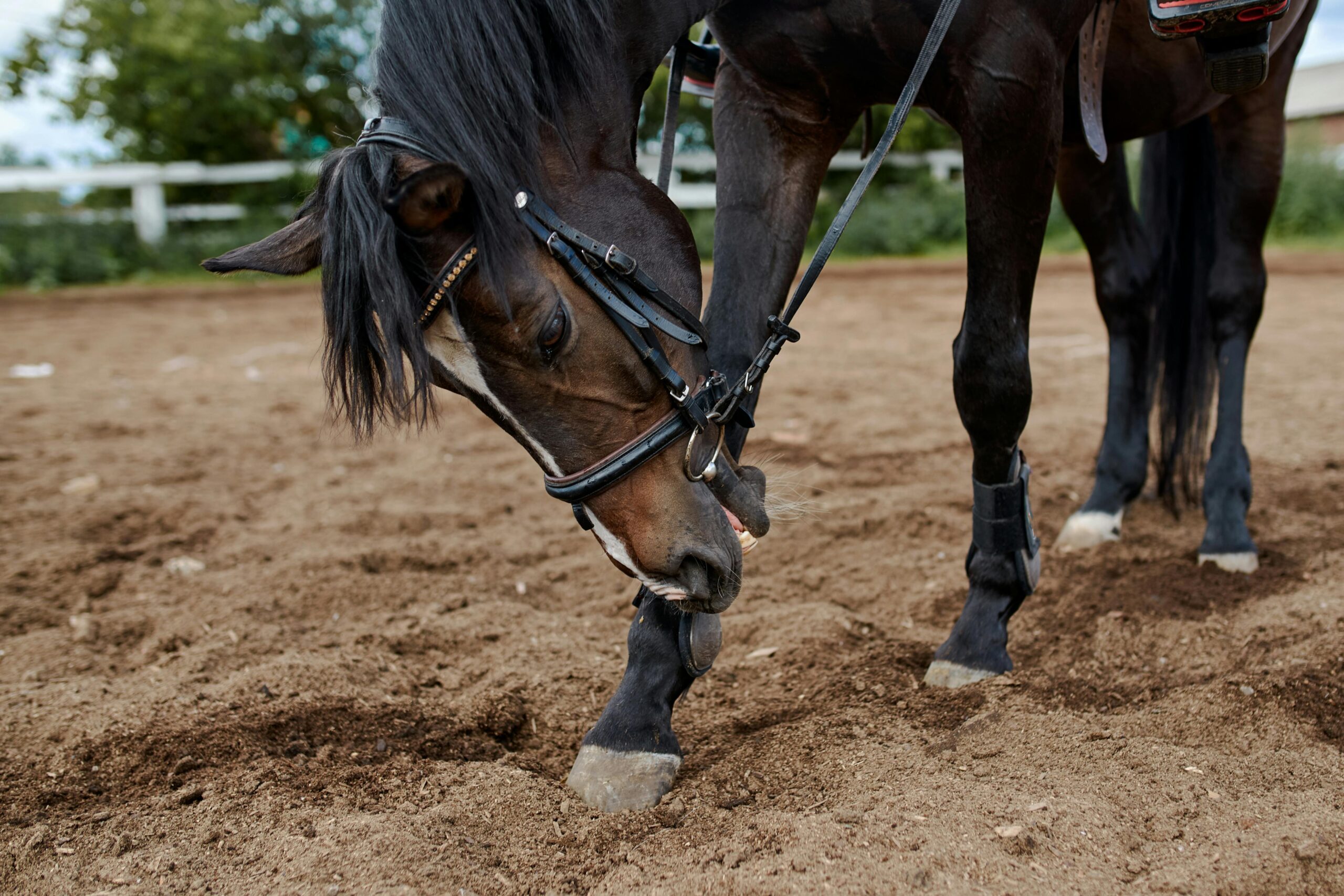
When we talk about horse hoof maintenance, we normally refer to trim programs, supplements, and environmental conditions. However, there is another factor that’s as crucial to hooves’ quality and to a horse’s overall balance. That is joint health. A horse’s joints are central to its movement, posture, and weight distribution, which in turn directly influence the strength and integrity of its hooves.
Regardless of whether your horse is an aging equine athlete or a young training horse, it is important to understand the interrelationship between joints, hooves, and balance. By adopting a forward-thinking method including proper management, movement, and horse joint supplements, you can do much to safeguard both the structure of the hoof and general soundness in the long term.
The Connection between Joints and Hooves
Joints are responsible for the flexibility and degree of movement that a horse requires in order to walk, jump, change direction, and support weight effectively. As soon as joint mobility is compromised slightly, minute imbalances in the positioning or movement of a horse will be created. Movement compensations produced will lead to uneven stresses on the hooves, which in turn can become unsound hoof development, flares, cracks, or abnormally shaped hooves later on.
In addition, horses with joint pain may change gait, avoid loading one or more limbs, or develop a toe-first landing. All these biomechanical changes affect not just hoof quality but also tendon and ligament integrity, hence increasing the risk of secondary problems such as a suspensory ligament injury in horses.
Weight Distribution and Hoof Shape
The hoof capsule is indicative of the way in which a horse moves and distributes weight. If the horse consistently leans on one limb with slight joint stress, you ought to be able to observe uneven wear of the hooves, asymmetrical shapes of the sole, or differences of hoof wall growth. Integrity of joints in performance horses particularly guarantees preservation of even weight distribution over all the limbs that leads to balanced hooves.
Hoof angle and wear pattern alteration typically indicate more than a farriery problem. In most cases, they are warning signs of joint balance disorders that must be addressed through veterinary consultation as well as proper nutritional support, including horse joint supplements.
Suspensory Ligaments: An Important Support System
The suspensory ligament plays a simple function in stabilizing the limb and suspending the fetlock joint. If this ligament is strained or damaged, the biomechanics of the horse are affected. Injuring the suspensory ligament of horses can cause abnormal gait and permanent posture alteration, unevenly stressing the hooves.
In certain horses, especially those in intense work or horses with genetic low heel conformation, tension placed on the suspensory ligament becomes a causative factor for recurrent hoof imbalance. Without active support and recovery, the cycle is continued and sets up a risk for recurrent joint or hoof issues.
The Role of Movement and Surface Conditions
Horses having the ability to travel on more than one plane of ground become more flexible in the joints and healthier in the hooves. It is because movement allows even loading of the legs, normal production of the joint fluid, and normal wear of the hoof capsule.
Conversely, a regimen of horses maintained in repetitive or confined areaslike flat arenas or stalls can create stiffness or diminished joint function, which can transfer to inappropriate movement and hoof stress. Frequent low-impact movement is synergistically good for both joints and hooves.
Supporting Joint Health through Nutrition
Nutrition is a second component of healthy joints and hooves. The proper diet with added joint supplements for horses can supply the building blocks necessary for cartilage and the function of connective tissue. In the case of hoof supplements, biotin, zinc, and methionine are usually emphasized, but for joint supplements for horses, there is more emphasis placed on collagen, hyaluronic acid, glucosamine, and MSM to affect the soft tissues that help with movement and balance in the hooves.
Although supplements by themselves cannot heal severe injuries, they can be a good addition to a chronic joint care program particularly with horses that are experiencing high amounts of work or have had previous issues such as a suspensory ligament strain in horses.
Observing Changes
Hoof balance is dynamic. A change in workload, terrain, or joint health can all affect how a horse moves and loads his legs. Ongoing monitoring of movement and regular farrier and veterinary inspection enable you to detect early signs of imbalance or compensation patterns that may be attributed to joint pain.
Some of the signs are:
- Asymmetrical hoof growth between limbs
- Persistent flare or crack on one side of the hoof
- Tendency to heel or toe land
- Mild lameness or refusal to turn
- Muscle asymmetry in the shoulder or hindquarter
If these problems are detected early, it is usually simpler to step in with supportive therapy, trimmed protocol adjustments, and targeted joint supplements for horses to keep general alignment in place.
Final thoughts
A horse’s joints and hooves are linked together. Movement, bearing weight, and posture can be affected by joint imbalance and vice versa affect hoof shape and integrity. Suspensory ligament injuries in horses are an indication of how joint imbalance induces chronic hoof stress and imbalance if the situation isn’t holistically addressed.
OptiWize Collagen Plus offers a comprehensive approach to joint support by providing the nutrients that support connective tissue and cartilage health. Combined with veterinarian attention, frequent trimming, and exercise, it can be a considerate part of your horse’s long-term care routine.
By supporting the entire musculoskeletal system joints, tendons, ligaments, and hooves you can provide greater balance, comfort, and performance over your horse’s lifespan.
Most Read